

Red Light Therapy and Mental Health: What the Science Says
Mental health challenges such as anxiety, depression, chronic stress, burnout, and sleep disruption are becoming increasingly common in today’s fast-paced world. While traditional approaches like therapy, medication, exercise, and mindfulness remain essential tools, emerging research is now exploring another promising avenue for emotional wellness: red light therapy.
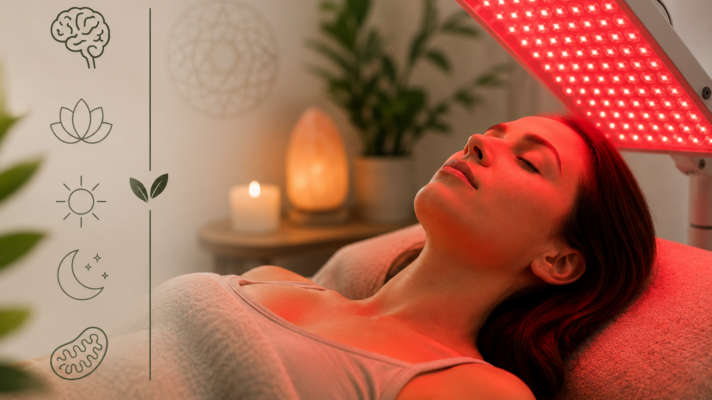
Also known as photobiomodulation (PBM), red light therapy uses specific wavelengths of red and near-infrared light to support cellular function, reduce inflammation, and enhance energy production within the body. While many people know red light therapy for skin rejuvenation or muscle recovery, scientists are now studying its potential effects on brain health, mood regulation, and emotional well-being.
How Red Light Therapy May Support Mental Health
Red and near-infrared light penetrate the skin and interact with the mitochondria — the “energy centers” of our cells. This process helps stimulate ATP production, which is the body’s primary source of cellular energy.
Researchers believe this increased cellular energy may support the brain in several ways:
Enhancing cerebral blood flow
Reducing inflammation and oxidative stress
Supporting neuroplasticity and brain cell repair
Regulating nervous system function
Improving sleep and circadian rhythm balance
These mechanisms are significant because inflammation, impaired mitochondrial function, poor sleep, and chronic stress are all strongly associated with anxiety and depression. Recent scientific reviews suggest photobiomodulation may positively influence mood and cognitive function through these pathways. (PMC)
What Research Shows About Depression and Anxiety
Several clinical studies have explored the effects of near-infrared light therapy on depression symptoms.
A pilot study published in Behavioral and Brain Functions examined patients with major depression and anxiety using near-infrared light applied to the forehead. Researchers observed significant improvements in mood and anxiety symptoms following treatment. (PMC)
A 2024 review in Frontiers in Psychiatry concluded that photobiomodulation is showing promise as a non-invasive treatment approach for mood disorders, particularly depression. Researchers noted improvements in mood regulation, energy levels, and emotional functioning in both human and animal studies. (Frontiers)
Scientists are also studying transcranial photobiomodulation — a method in which near-infrared light is directed toward the brain — for its potential to improve cognitive function, emotional resilience, and nervous system regulation. Ongoing clinical trials continue to investigate its effectiveness for treatment-resistant depression. (Rally)
The Connection Between Light, Sleep, and Emotional Wellness
Mental health and sleep are deeply connected. Disruptions in circadian rhythm can significantly affect mood, stress resilience, hormone balance, and cognitive function.
Research has shown that healthy light exposure patterns may play an important role in emotional wellbeing. Increased daytime light exposure has been associated with lower risks of depression, while excessive nighttime light exposure may negatively impact mental health. (Health)
Because red light contains little to no blue light, it may support the body’s natural evening rhythm without suppressing melatonin production. Many individuals report feeling calmer, more relaxed, and sleeping better after consistent red light therapy sessions.
A Holistic Complement — Not a Replacement
While the research surrounding red light therapy is exciting, it’s important to understand that it is not considered a standalone cure for mental health conditions. Instead, many practitioners view it as a complementary wellness tool that may help support the nervous system, emotional balance, stress recovery, and overall well-being.
Red light therapy may work best alongside:
Counseling or psychotherapy
Stress reduction practices
Sound healing and meditation
Breathwork
Healthy nutrition and movement
Sleep optimization
Holistic wellness care
At Sacred Harmony Healing Center, we believe emotional wellness involves caring for the mind, body, and energy system together. Red light therapy can be one supportive piece of a more comprehensive healing approach.
Final Thoughts
The relationship between light and human health is powerful. As research into photobiomodulation continues to grow, red light therapy is emerging as a promising supportive modality for mental wellness, stress recovery, and nervous system regulation.
Although more large-scale studies are still needed, current evidence suggests that red and near-infrared light may support mood, brain function, sleep quality, and emotional resilience in a safe, non-invasive way.
If you’re looking for holistic ways to support your mental and emotional wellbeing, red light therapy may be worth exploring as part of your healing journey.
Scientific References
Wang L. et al. Photobiomodulation: Shining a Light on Depression (2025) — National Institutes of Health
Ji Q. et al. Photobiomodulation Improves Depression Symptoms (2024) — Frontiers in Psychiatry
Cassano P. et al. Near-Infrared Transcranial Radiation for Major Depressive Disorder (2015)
Schiffer F. et al. Photobiomodulation with Near Infrared Light: Pilot Study in Depression and Anxiety (2009)
Harvard Health Publishing — Light Therapy: Not Just for Seasonal Depression?
YOU MIGHT ALSO LIKE More From Author

Beyond Burnout: Why Recovery Is the Missing Link to Sustainable Success
Burnout has become one of the defining challenges of today’s professional world. Executives, entrepreneurs,